
LangNation
Courses Browse courses Regular One-to-one Intensive Placement test
Exams Exam papers Study material Einbürgerungstest
Germany Living and studying in Germany Study in Germany The German school system Your first weeks Working in Germany
Tools German grade ECTS credits Overall band TOEFL ⇄ IELTS converter
About us About Events Gallery Blog FAQ
Contact Request a call back Deutsch
  1. Frage 211 Mensch und Gesellschaft

    Welcher Politiker steht für die "Ostverträge"?

    1. Helmut Kohl
    2. Willy Brandt richtig
    3. Michail Gorbatschow
    4. Ludwig Erhard
    In English

    Which politician is associated with the "Eastern Treaties" (Ostverträge)?

    1. A Helmut Kohl
    2. B Willy Brandt
    3. C Mikhail Gorbachev
    4. D Ludwig Erhard

    Unofficial translation, to help you read the question. Only the German wording counts in the exam.

    Warum? Willy Brandt schloss als Kanzler die Verträge mit der Sowjetunion, Polen und der DDR — „Wandel durch Annäherung“.
  2. Frage 212 Mensch und Gesellschaft

    Wie heißt Deutschland mit vollem Namen?

    1. Bundesstaat Deutschland
    2. Bundesländer Deutschland
    3. Bundesrepublik Deutschland richtig
    4. Bundesbezirk Deutschland
    In English

    What is Germany's full name?

    1. A Bundesstaat Deutschland
    2. B Bundesländer Deutschland
    3. C Bundesrepublik Deutschland (Federal Republic of Germany)
    4. D Bundesbezirk Deutschland

    Unofficial translation, to help you read the question. Only the German wording counts in the exam.

    Warum? Bundesrepublik Deutschland. „Bundes-“ steht für den Bund der 16 Länder, „Republik“ für das gewählte Staatsoberhaupt.

  3. Frage 213 Mensch und Gesellschaft

    Wie viele Einwohner hat Deutschland?

    1. 70 Millionen
    2. 78 Millionen
    3. 84 Millionen richtig
    4. 90 Millionen
    In English

    How many inhabitants does Germany have?

    1. A 70 million
    2. B 78 million
    3. C 84 million
    4. D 90 million

    Unofficial translation, to help you read the question. Only the German wording counts in the exam.

    Warum? Rund 84 Millionen — das bevölkerungsreichste Land der Europäischen Union.

  4. Frage 214 Mensch und Gesellschaft

    Welche Farben hat die deutsche Flagge?

    1. schwarz-rot-gold richtig
    2. rot-weiß-schwarz
    3. schwarz-rot-grün
    4. schwarz-gelb-rot
    In English

    What colours does the German flag have?

    1. A black, red and gold
    2. B red, white and black
    3. C black, red and green
    4. D black, yellow and red

    Unofficial translation, to help you read the question. Only the German wording counts in the exam.

    Warum? Schwarz-Rot-Gold. Die Farben stehen seit der Revolution von 1848 für Einheit und Freiheit. Art. 22 GG

  5. Frage 215 Mensch und Gesellschaft

    Wer wird als "Kanzler der Deutschen Einheit" bezeichnet?

    1. Gerhard Schröder
    2. Helmut Kohl richtig
    3. Konrad Adenauer
    4. Helmut Schmidt
    In English

    Who is known as the "Chancellor of German Unity"?

    1. A Gerhard Schröder
    2. B Helmut Kohl
    3. C Konrad Adenauer
    4. D Helmut Schmidt

    Unofficial translation, to help you read the question. Only the German wording counts in the exam.

    Warum? Helmut Kohl war Kanzler, als 1990 die Wiedervereinigung vollzogen wurde.

  6. Frage 216 Mensch und Gesellschaft

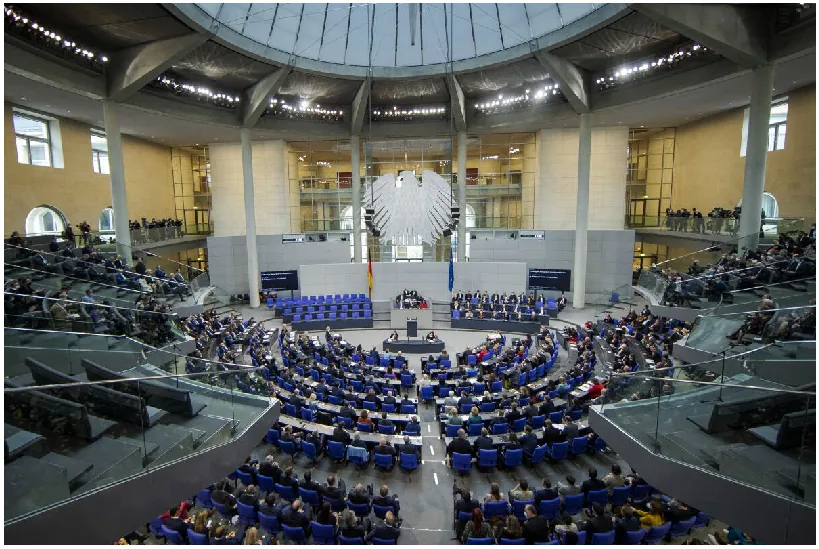
    Welches Symbol ist im Plenarsaal des Deutschen Bundestages zu sehen?

    Abbildung zu Frage 216

    © Deutscher Bundestag/Janine Schmitz

    1. der Bundesadler richtig
    2. die Fahne der Stadt Berlin
    3. der Reichsadler
    4. die Reichskrone
    In English

    Which symbol can be seen in the plenary chamber of the German Bundestag?

    1. A the federal eagle (Bundesadler)
    2. B the flag of the city of Berlin
    3. C the imperial eagle (Reichsadler)
    4. D the imperial crown

    Unofficial translation, to help you read the question. Only the German wording counts in the exam.

    Warum? Der Bundesadler hängt als großes Relief hinter dem Rednerpult. Er heißt im Volksmund „die fette Henne“.

  7. Frage 217 Mensch und Gesellschaft

    In welchem Zeitraum gab es die Deutsche Demokratische Republik (DDR)?

    1. 1919 bis 1927
    2. 1933 bis 1945
    3. 1945 bis 1961
    4. 1949 bis 1990 richtig
    In English

    During which period did the German Democratic Republic (GDR) exist?

    1. A 1919 to 1927
    2. B 1933 to 1945
    3. C 1945 to 1961
    4. D 1949 to 1990

    Unofficial translation, to help you read the question. Only the German wording counts in the exam.

    Warum? Von der Gründung 1949 bis zum Beitritt zur Bundesrepublik am 3. Oktober 1990.

  8. Frage 218 Mensch und Gesellschaft

    Wie viele Bundesländer kamen bei der Wiedervereinigung 1990 zur Bundesrepublik Deutschland hinzu?

    1. 4
    2. 5 richtig
    3. 6
    4. 7
    In English

    How many Bundesländer joined the Federal Republic of Germany at reunification in 1990?

    1. A 4
    2. B 5
    3. C 6
    4. D 7

    Unofficial translation, to help you read the question. Only the German wording counts in the exam.

    Warum? Fünf: Mecklenburg-Vorpommern, Brandenburg, Sachsen, Sachsen-Anhalt und Thüringen. Aus 11 Ländern wurden 16.

  9. Frage 219 Mensch und Gesellschaft

    Die Bundesrepublik Deutschland hat die Grenzen von heute seit …

    1. 1933
    2. 1949
    3. 1971
    4. 1990 richtig
    In English

    The Federal Republic of Germany has had today's borders since …

    1. A 1933
    2. B 1949
    3. C 1971
    4. D 1990

    Unofficial translation, to help you read the question. Only the German wording counts in the exam.

    Warum? Seit der Wiedervereinigung am 3. Oktober 1990. Im Zwei-plus-Vier-Vertrag wurden diese Grenzen endgültig anerkannt.

  10. Frage 220 Mensch und Gesellschaft

    Der 27. Januar ist in Deutschland ein offizieller Gedenktag. Woran erinnert dieser Tag?

    1. an das Ende des Zweiten Weltkrieges
    2. an die Verabschiedung des Grundgesetzes
    3. an die Wiedervereinigung Deutschlands
    4. an die Opfer des Nationalsozialismus (Tag der Befreiung des Vernichtungslagers Auschwitz) richtig
    In English

    27 January is an official day of remembrance in Germany. What does this day commemorate?

    1. A the end of the Second World War
    2. B the adoption of the Basic Law
    3. C the reunification of Germany
    4. D the victims of National Socialism (the day the Auschwitz extermination camp was liberated)

    Unofficial translation, to help you read the question. Only the German wording counts in the exam.

    Warum? Am 27. Januar 1945 wurde Auschwitz befreit. Seit 1996 ist der Tag der bundesweite Gedenktag für die Opfer des Nationalsozialismus.

  11. Frage 221 Mensch und Gesellschaft

    Deutschland ist Mitglied des Schengener Abkommens. Was bedeutet das?

    1. Deutsche können in viele Länder Europas ohne Passkontrolle reisen. richtig
    2. Alle Menschen können ohne Personenkontrolle in Deutschland einreisen.
    3. Deutsche können ohne Passkontrolle in jedes Land reisen.
    4. Deutsche können in jedem Land mit dem Euro bezahlen.
    In English

    Germany is a member of the Schengen Agreement. What does that mean?

    1. A Germans can travel to many European countries without passport checks.
    2. B Anyone can enter Germany without being checked.
    3. C Germans can travel to any country without passport checks.
    4. D Germans can pay in euros in any country.

    Unofficial translation, to help you read the question. Only the German wording counts in the exam.

    Warum? Im Schengen-Raum gibt es keine festen Grenzkontrollen mehr. Ein Ausweis ist trotzdem mitzuführen.

  12. Frage 222 Mensch und Gesellschaft

    Welches Land ist ein Nachbarland von Deutschland?

    1. Ungarn
    2. Portugal
    3. Spanien
    4. Schweiz richtig
    In English

    Which country is a neighbour of Germany?

    1. A Hungary
    2. B Portugal
    3. C Spain
    4. D Switzerland

    Unofficial translation, to help you read the question. Only the German wording counts in the exam.

    Warum? Deutschland hat neun Nachbarn: Dänemark, Polen, Tschechien, Österreich, Schweiz, Frankreich, Luxemburg, Belgien und die Niederlande.

  13. Frage 223 Mensch und Gesellschaft

    Welches Land ist ein Nachbarland von Deutschland?

    1. Rumänien
    2. Bulgarien
    3. Polen richtig
    4. Griechenland
    In English

    Which country is a neighbour of Germany?

    1. A Romania
    2. B Bulgaria
    3. C Poland
    4. D Greece

    Unofficial translation, to help you read the question. Only the German wording counts in the exam.

    Warum? Polen grenzt im Osten an Deutschland, entlang von Oder und Neiße.

  14. Frage 224 Mensch und Gesellschaft

    Was bedeutet die Abkürzung EU?

    1. Europäische Unternehmen
    2. Europäische Union richtig
    3. Einheitliche Union
    4. Euro Union
    In English

    What does the abbreviation EU stand for?

    1. A Europäische Unternehmen
    2. B Europäische Union (European Union)
    3. C Einheitliche Union
    4. D Euro Union

    Unofficial translation, to help you read the question. Only the German wording counts in the exam.

    Warum? Europäische Union — der Zusammenschluss von 27 Staaten, hervorgegangen aus der EWG von 1957.

  15. Frage 225 Mensch und Gesellschaft

    In welchem anderen Land gibt es eine große deutschsprachige Bevölkerung?

    1. Tschechien
    2. Norwegen
    3. Spanien
    4. Österreich richtig
    In English

    Which other country has a large German-speaking population?

    1. A Czechia
    2. B Norway
    3. C Spain
    4. D Austria

    Unofficial translation, to help you read the question. Only the German wording counts in the exam.

    Warum? Österreich. Deutsch ist außerdem Amtssprache in der Schweiz, in Liechtenstein, Luxemburg und Belgien.

  16. Frage 226 Mensch und Gesellschaft

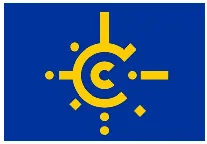
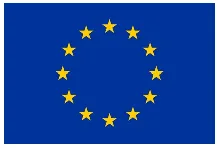
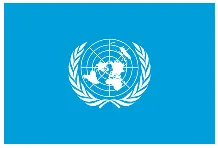
    Welche ist die Flagge der Europäischen Union?

    Bild 1 zu Frage 226
    Bild 1
    Bild 2 zu Frage 226
    Bild 2
    Bild 3 zu Frage 226
    Bild 3
    Bild 4 zu Frage 226
    Bild 4
    1. Bild 1
    2. Bild 2
    3. Bild 3 richtig
    4. Bild 4
    In English

    Which is the flag of the European Union?

    1. A Bild 1
    2. B Bild 2
    3. C Bild 3
    4. D Bild 4

    Unofficial translation, to help you read the question. Only the German wording counts in the exam.

    Warum? Die EU-Flagge: zwölf goldene Sterne im Kreis auf blauem Grund. Die Zwölf steht für Vollständigkeit, nicht für die Zahl der Mitgliedstaaten.

  17. Frage 227 Mensch und Gesellschaft

    Welches Land ist ein Nachbarland von Deutschland?

    1. Finnland
    2. Dänemark richtig
    3. Norwegen
    4. Schweden
    In English

    Which country is a neighbour of Germany?

    1. A Finland
    2. B Denmark
    3. C Norway
    4. D Sweden

    Unofficial translation, to help you read the question. Only the German wording counts in the exam.

    Warum? Dänemark ist der einzige nördliche Nachbar, an Schleswig-Holstein.

  18. Frage 228 Mensch und Gesellschaft

    Wie wird der Beitritt der DDR zur Bundesrepublik Deutschland im Jahr 1990 allgemein genannt?

    1. NATO-Osterweiterung
    2. EU-Osterweiterung
    3. Deutsche Wiedervereinigung richtig
    4. Europäische Gemeinschaft
    In English

    What is the GDR's accession to the Federal Republic of Germany in 1990 generally called?

    1. A NATO's eastward enlargement
    2. B the EU's eastward enlargement
    3. C German reunification
    4. D the European Community

    Unofficial translation, to help you read the question. Only the German wording counts in the exam.

    Warum? Wiedervereinigung: Zwei deutsche Staaten wurden am 3. Oktober 1990 wieder einer.

  19. Frage 229 Mensch und Gesellschaft

    Welches Land ist ein Nachbarland von Deutschland?

    1. Spanien
    2. Bulgarien
    3. Norwegen
    4. Luxemburg richtig
    In English

    Which country is a neighbour of Germany?

    1. A Spain
    2. B Bulgaria
    3. C Norway
    4. D Luxembourg

    Unofficial translation, to help you read the question. Only the German wording counts in the exam.

    Warum? Luxemburg grenzt im Westen an Rheinland-Pfalz und das Saarland.

  20. Frage 230 Mensch und Gesellschaft

    Das Europäische Parlament wird regelmäßig gewählt, nämlich alle …

    1. 5 Jahre. richtig
    2. 6 Jahre.
    3. 7 Jahre.
    4. 8 Jahre.
    In English

    The European Parliament is elected regularly, namely every …

    1. A 5 years.
    2. B 6 years.
    3. C 7 years.
    4. D 8 years.

    Unofficial translation, to help you read the question. Only the German wording counts in the exam.

    Warum? Alle fünf Jahre. Wählen dürfen alle EU-Bürgerinnen und -Bürger, in Deutschland ab 16.

  21. Frage 231 Mensch und Gesellschaft

    Was bedeutet der Begriff "europäische Integration"?

    1. Damit sind amerikanische Einwanderinnen und Einwanderer in Europa gemeint.
    2. Der Begriff meint den Einwanderungsstopp nach Europa.
    3. Damit sind europäische Auswanderinnen und Auswanderer in den USA gemeint.
    4. Der Begriff meint den Zusammenschluss europäischer Staaten zur EU. richtig
    In English

    What does the term "European integration" mean?

    1. A It refers to American immigrants in Europe.
    2. B The term means a halt to immigration into Europe.
    3. C It refers to European emigrants in the USA.
    4. D The term means the coming together of European states in the EU.

    Unofficial translation, to help you read the question. Only the German wording counts in the exam.

    Warum? Integration meint hier das Zusammenwachsen europäischer Staaten — von der Zollunion über den Binnenmarkt bis zur gemeinsamen Währung.

  22. Frage 232 Mensch und Gesellschaft

    Wer wird bei der Europawahl gewählt?

    1. die Europäische Kommission
    2. die Länder, die in die EU eintreten dürfen
    3. die Abgeordneten des Europäischen Parlaments richtig
    4. die europäische Verfassung
    In English

    Who is elected at a European election?

    1. A the European Commission
    2. B the countries allowed to join the EU
    3. C the members of the European Parliament
    4. D the European constitution

    Unofficial translation, to help you read the question. Only the German wording counts in the exam.

    Warum? Gewählt werden die Abgeordneten des Europäischen Parlaments. Die Kommission wird nicht direkt gewählt.

  23. Frage 233 Mensch und Gesellschaft

    Welches Land ist ein Nachbarland von Deutschland?

    1. Tschechien richtig
    2. Bulgarien
    3. Griechenland
    4. Portugal
    In English

    Which country is a neighbour of Germany?

    1. A Czechia
    2. B Bulgaria
    3. C Greece
    4. D Portugal

    Unofficial translation, to help you read the question. Only the German wording counts in the exam.

    Warum? Tschechien grenzt an Sachsen und Bayern.

  24. Frage 234 Mensch und Gesellschaft

    Wo ist ein Sitz des Europäischen Parlaments?

    1. London
    2. Paris
    3. Berlin
    4. Straßburg richtig
    In English

    Where is one seat of the European Parliament?

    1. A London
    2. B Paris
    3. C Berlin
    4. D Strasbourg

    Unofficial translation, to help you read the question. Only the German wording counts in the exam.

    Warum? Straßburg ist der offizielle Sitz. Gearbeitet wird außerdem in Brüssel und Luxemburg.

  25. Frage 235 Mensch und Gesellschaft

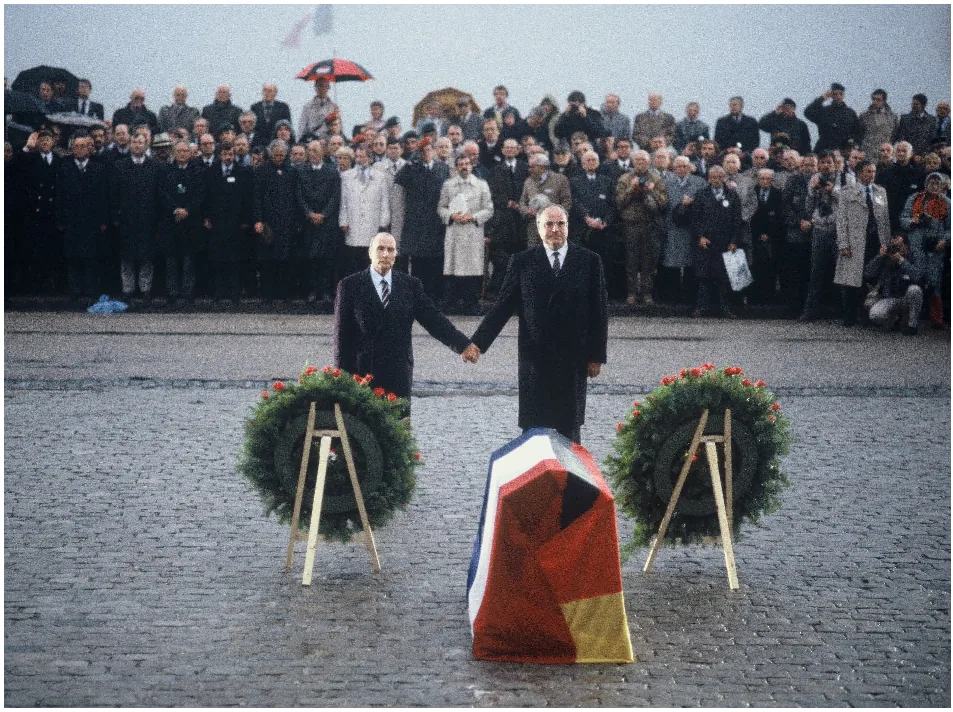
    Der damalige französische Staatspräsident François Mitterrand und der damalige deutsche Bundeskanzler Helmut Kohl gedenken in Verdun gemeinsam der Toten beider Weltkriege. Welches Ziel der Europäischen Union wird bei diesem Treffen deutlich?

    Abbildung zu Frage 235

    © Bundesregierung/Richard Schulze-Vorberg

    1. Freundschaft zwischen England und Deutschland
    2. Reisefreiheit in alle Länder der EU
    3. Frieden und Sicherheit in den Ländern der EU richtig
    4. einheitliche Feiertage in den Ländern der EU
    In English

    The then French President François Mitterrand and the then German Federal Chancellor Helmut Kohl commemorate the dead of both world wars together at Verdun. Which aim of the European Union is evident at this meeting?

    1. A friendship between England and Germany
    2. B freedom to travel to all EU countries
    3. C peace and security in the countries of the EU
    4. D common public holidays in the countries of the EU

    Unofficial translation, to help you read the question. Only the German wording counts in the exam.

    Warum? Die EU entstand als Friedensprojekt: Staaten, die wirtschaftlich verflochten sind, führen keinen Krieg mehr gegeneinander.

  26. Frage 236 Mensch und Gesellschaft

    Wie viele Mitgliedstaaten hat die EU heute?

    1. 21
    2. 23
    3. 25
    4. 27 richtig
    In English

    How many member states does the EU have today?

    1. A 21
    2. B 23
    3. C 25
    4. D 27

    Unofficial translation, to help you read the question. Only the German wording counts in the exam.

    Warum? 27 seit dem Austritt des Vereinigten Königreichs im Jahr 2020.

  27. Frage 237 Mensch und Gesellschaft

    2007 wurde das 50-jährige Jubiläum der "Römischen Verträge" gefeiert. Was war der Inhalt der Verträge?

    1. Beitritt Deutschlands zur NATO
    2. Gründung der Europäischen Wirtschaftsgemeinschaft (EWG) richtig
    3. Verpflichtung Deutschlands zu Reparationsleistungen
    4. Festlegung der Oder-Neiße-Linie als Ostgrenze
    In English

    In 2007 the 50th anniversary of the "Treaties of Rome" was celebrated. What did the treaties contain?

    1. A Germany's accession to NATO
    2. B the founding of the European Economic Community (EEC)
    3. C Germany's obligation to pay reparations
    4. D fixing the Oder–Neisse line as the eastern border

    Unofficial translation, to help you read the question. Only the German wording counts in the exam.

    Warum? 1957 gründeten sechs Staaten die Europäische Wirtschaftsgemeinschaft — der Anfang der heutigen EU.

  28. Frage 238 Mensch und Gesellschaft

    An welchen Orten arbeitet das Europäische Parlament?

    1. Paris, London und Den Haag
    2. Straßburg, Luxemburg und Brüssel richtig
    3. Rom, Bern und Wien
    4. Bonn, Zürich und Mailand
    In English

    In which places does the European Parliament work?

    1. A Paris, London and The Hague
    2. B Strasbourg, Luxembourg and Brussels
    3. C Rome, Bern and Vienna
    4. D Bonn, Zurich and Milan

    Unofficial translation, to help you read the question. Only the German wording counts in the exam.

    Warum? Straßburg für die Plenarsitzungen, Brüssel für die Ausschüsse, Luxemburg für die Verwaltung.

  29. Frage 239 Mensch und Gesellschaft

    Durch welche Verträge schloss sich die Bundesrepublik Deutschland mit anderen Staaten zur Europäischen Wirtschaftsgemeinschaft zusammen?

    1. durch die "Hamburger Verträge"
    2. durch die "Römischen Verträge" richtig
    3. durch die "Pariser Verträge"
    4. durch die "Londoner Verträge"
    In English

    Through which treaties did the Federal Republic of Germany join other states in the European Economic Community?

    1. A the "Treaties of Hamburg"
    2. B the "Treaties of Rome"
    3. C the "Treaties of Paris"
    4. D the "Treaties of London"

    Unofficial translation, to help you read the question. Only the German wording counts in the exam.

    Warum? Die Römischen Verträge von 1957. Wie Nr. 237.

  30. Frage 240 Mensch und Gesellschaft

    Seit wann bezahlt man in Deutschland mit dem Euro in bar?

    1. 1995
    2. 1998
    3. 2002 richtig
    4. 2005
    In English

    Since when have people paid with euro cash in Germany?

    1. A 1995
    2. B 1998
    3. C 2002
    4. D 2005

    Unofficial translation, to help you read the question. Only the German wording counts in the exam.

    Warum? Als Bargeld seit dem 1. Januar 2002. Als Buchgeld gab es den Euro schon seit 1999.

Fragen und Abbildungen aus dem amtlichen Gesamtfragenkatalog des Bundesamtes für Migration und Flüchtlinge, Stand 2025-05-07. LangNation ist ein unabhängiges Lernangebot und steht nicht in Verbindung mit dem Bundesamt für Migration und Flüchtlinge.